
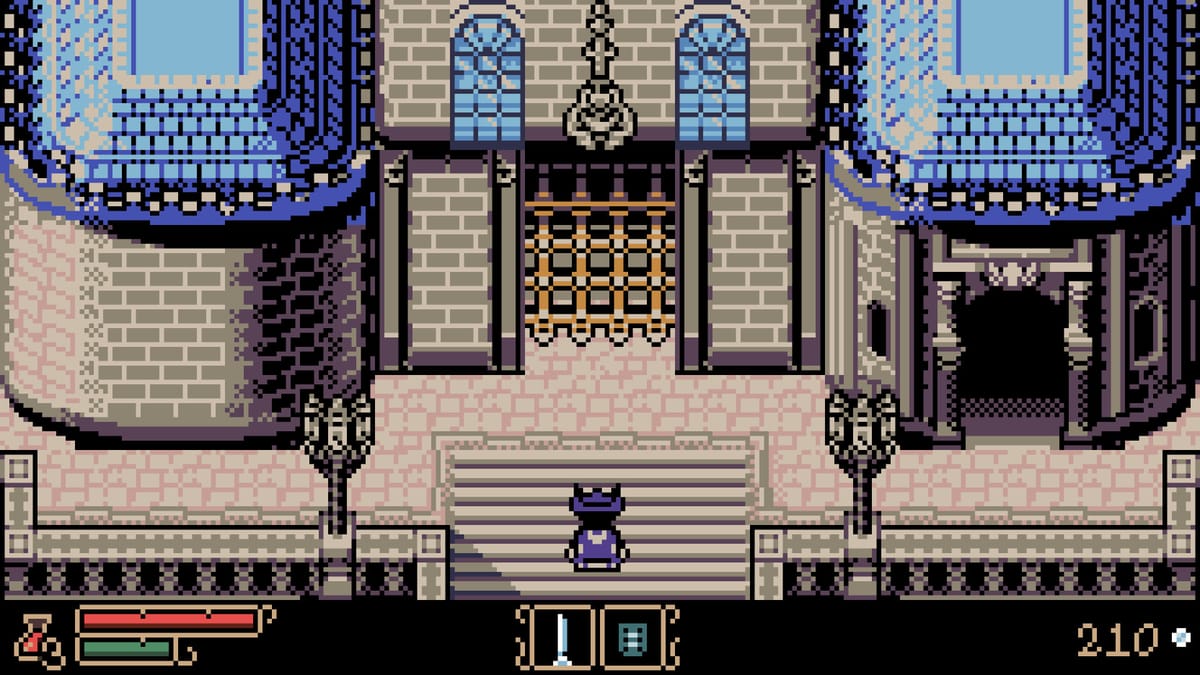
Not for the first time that so soon after establishing this domain, I find myself taking solace – and more importantly, modest enjoyment – in a game (perhaps unknowingly) benefiting from a more high-profile name's continued absence. And while a game like Tearscape is certainly showing more aggressively-keen ambitions to be compared to a very specific (now decade-old) FromSoftware favourite, it can't be helped that such absentee becomes the prime comparison. To draw on the fact that with Yacht Club Games' Mina the Hollower absent not just from the closing stretches of 2025, but what looks like a significant chunk of 2026, developer NERDS TAKE OVER's very own Game Boy-styled, top-down effort is more than quenching this all-too-specific thirst for a very particular look, feel and brand of retro adventure.
Admittedly, I won't shy away from the reality that, like countless others, Yacht Club Games' own dark-fantasy trek – in similarly single-digit-bit styling – remains high in one's ranking. As noted, one game's absence is another game's opportune moment to shine. Perhaps maybe, make a firmer point of approval for a new brand of throwback aesthetic, before the "bigger names" do so. Tearscape then, finds itself in the right place at the [conveniently] right time and even from the first five or so hours, it's a reassuring sight to behold that even with more intentional restrictions and limitations pertaining to visual variety and player-movement alike, Tearscape has already been a joy to trek through.
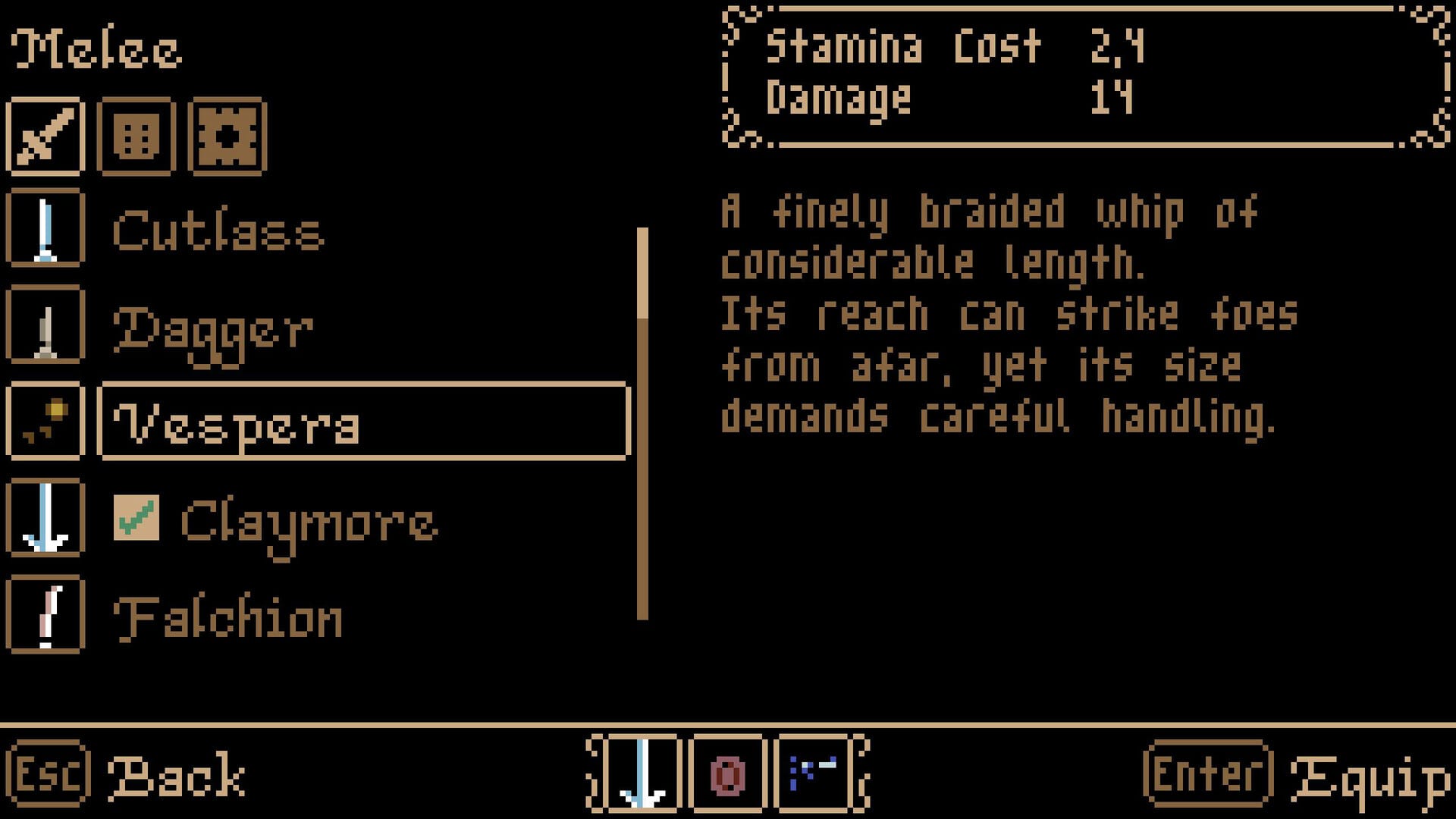
A joy so high up in one's metrics, even the rose-tinted marveling of a game like Bloodborne in its own repeated framing of blood, beasts and "Hunters" (of which you play as one here), Tearscape is more than a humble studio's understandable if precariously-placed love for one particular game. Had the game not demonstrated already a knack for player-led experimentation with its more combat-centric systems here, that accusation might have validity. Arguably the best and most surprising element to appreciate in Tearscape, is just how swiftly one has not just switched to a new weapon upon discovery – replacing swords with longswords with lassos with more dexterous knives – but most impressively, switched back to those prior weapons.
Enemies in Tearscape, despite the visual and artistic limitations, offer a reasonable variety when it comes to attack types and the level of input required on the player's side to overcome them. Even throwing up a curveball or two along the way the first time they're introduced. But what makes combat in Tearscape an even more interesting affair is the game's treatment of weapons – more specifically, how common the consideration of trade-off's occur. How these trade-off's not only factor into, but better still, further reinforce enemy engagement as a testing of one's own confidence.
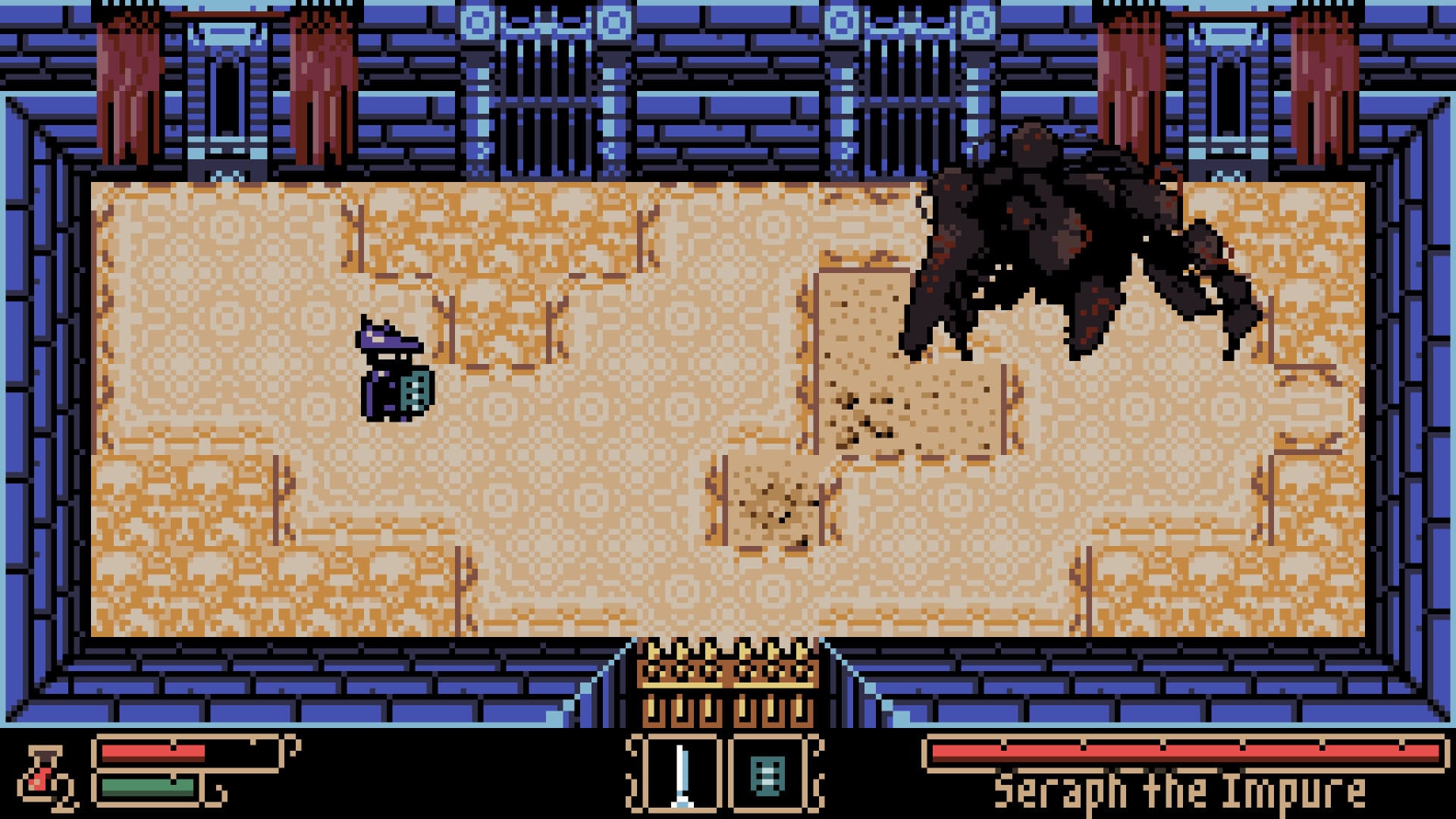
Take an early example, attempting the game's first major dungeon. An enemy sporting a shield, is very quickly introduced during said dungeon's early reaches. The first type housing some manner of defense that not just reduces, but completely nullifies any effort to inflict damage. Mindlessly spam the attack button and said foe will easily cancel out such wasteful attempts. Its own offense coming in the way of a ball-and-chain weapon, initiated after a set time should you be standing in close-enough proximity.
But herein lies the major charm of a game like Tearscape and its implementation of combat. For if you're smart enough and time it well amidst those ticking-down tenths of seconds, you can strike. Sure, identifying the ideal moment to strike, on its own, is nothing new in games of this genre. Just as, having already alluded to it, the grappling with trade-off's when it comes to different weapon types, is so common a feature in modern-day Soulslike affairs. The benefits and draws on priortizing weapons of greater damage output and accompanying stamina usage, over those with lesser equivalents.
The point isn't that Tearscape finds itself standing as a[nother] game all about risk and reward. The point is that Tearscape's deliberate restricting of a player-character's movement – the solely four-way directional input on top – makes weapon switching an altogether fresh and intriguing experimentation to work out. Framing combat more as a spectrum on how players gauge the importance of risk over conservativeness. Just how much relevance does one place not just on a weapon's accompanying stats, but on one's own need to be aggressive and frantically active. In a graphically-limited and movement-restricted scenario such as this.
Consider for a moment that blocking an enemy's attack upon acquiring your shield, still incurs damage (albeit a slither of an amount). Or that in the heat of the moment, players are usually restricted to, on average, three maybe four button inputs before the stamina pool is depleted. How do you juggle safety with defense, over aggression in attacking? And even when combat isn't the focus, during one of the game's many precarious platforming segments – wherein projectiles are flying at you from, sometimes, multiple angles – do you risk going about relying on that classic dodge-roll maneuver, comfortable in the knowledge you won't find yourself rolling hapahzardly off into the abyss?
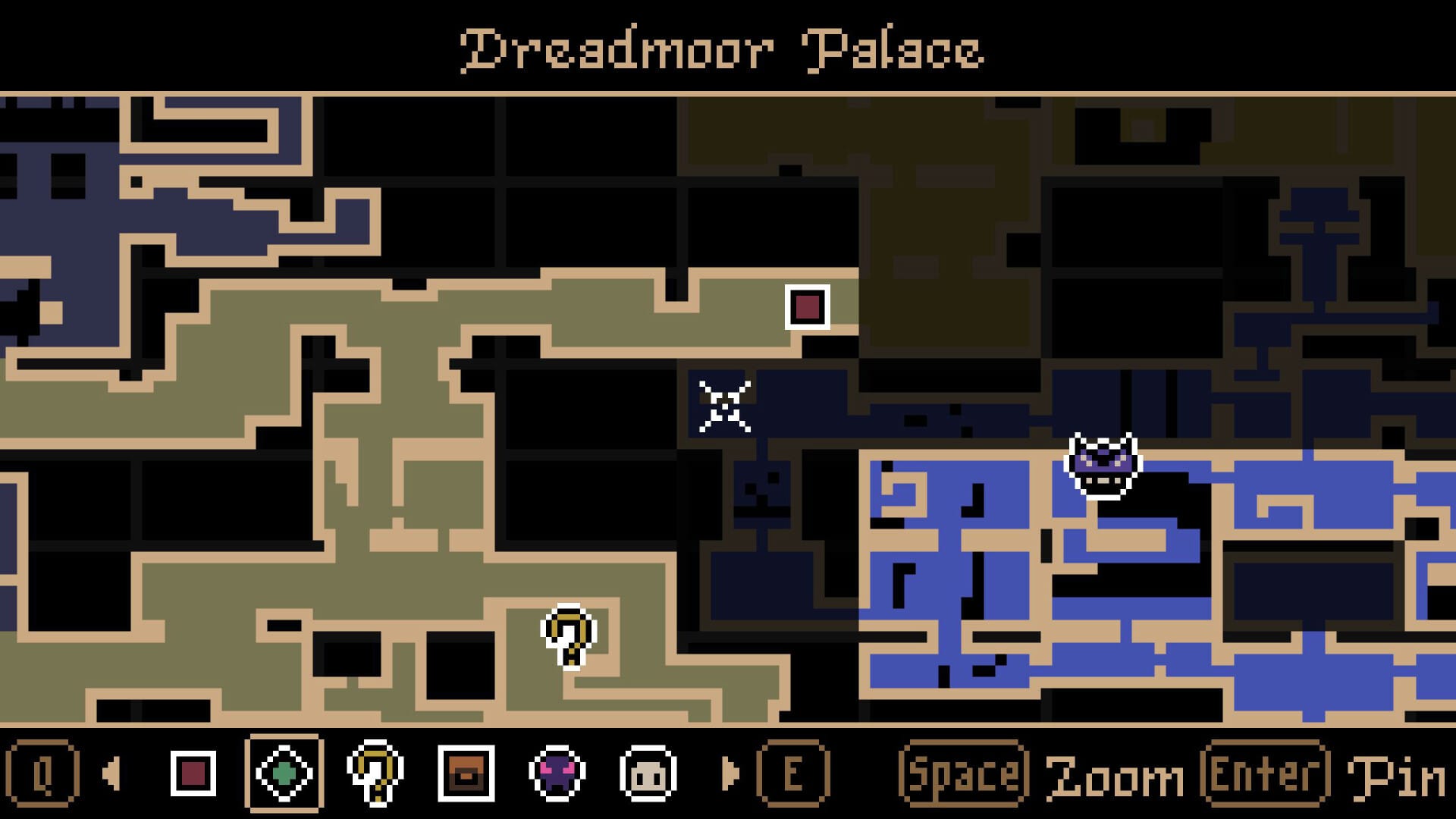
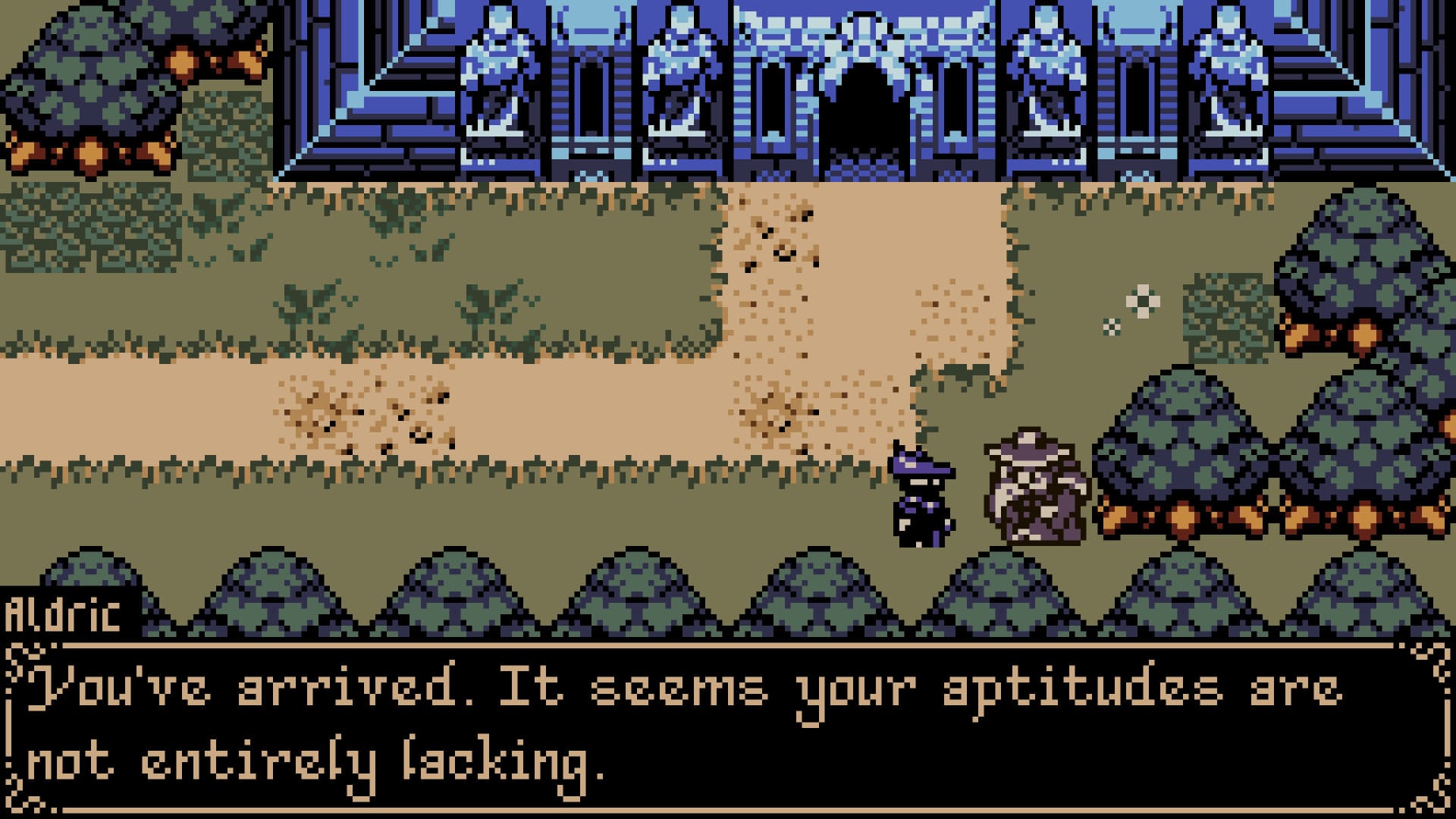
Fortunate then that if one were take away all the [easy to fall back on] Bloodborne-spiel – perhaps even extending that to anything pertaining to anything pertaining to combat, Tearscape still impresses. A Zelda-esque, Oracles-adjacent romp whose understanding on the appealing peril of platforming and exploration alike, make this such an enjoyable adventure. Why discovering a vital key to unlock some impassable gate or door, feels far more weighty in accomplishment than, say, walking into a small square room with a chest so conveniently placed at its rear end.
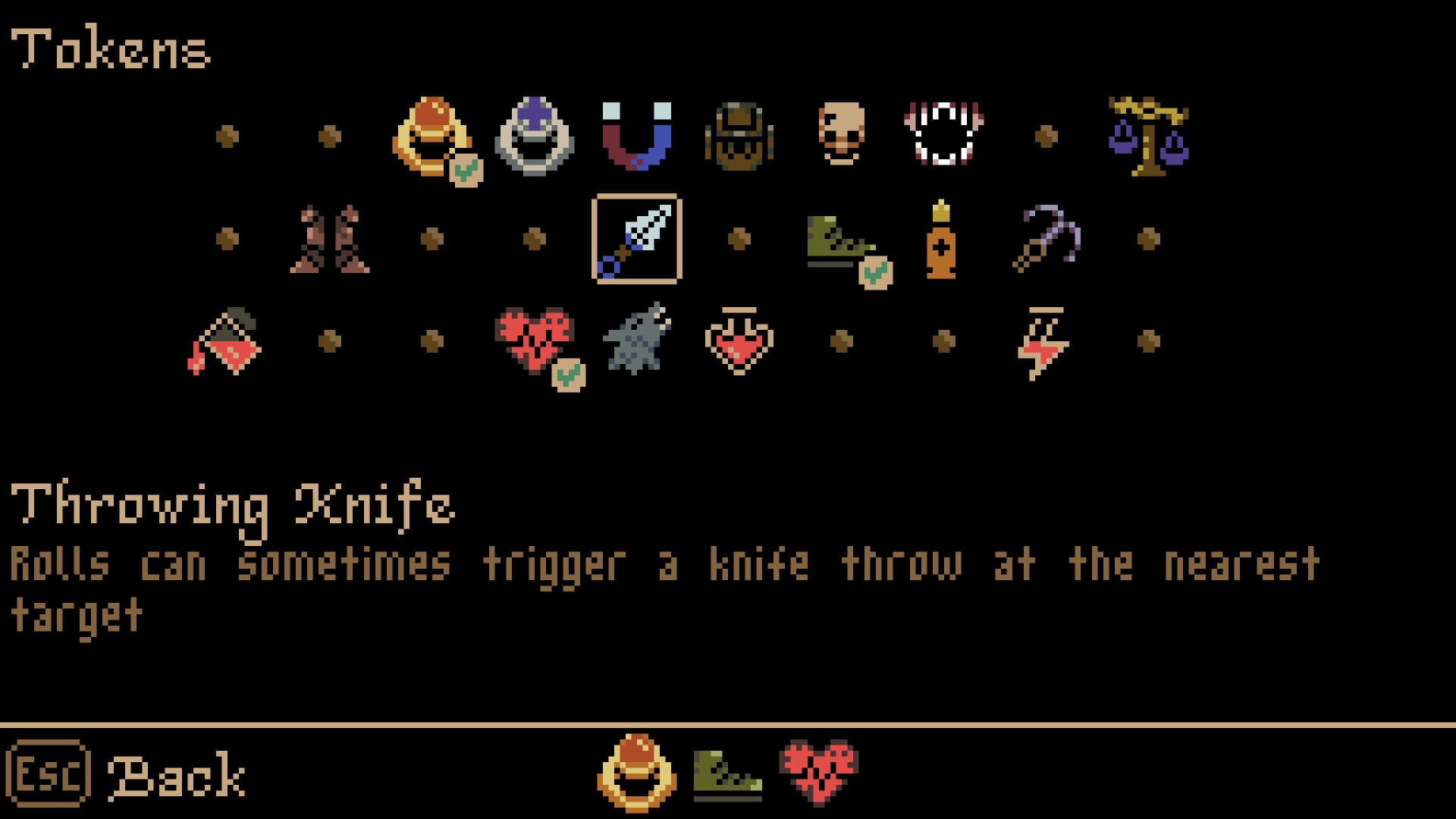
Or how tinkering with one's tool load-out, proves yet another fruitful exercise in experimentation. Does one really consider their own respective trade-off's, a worthwhile sacrificing of one of three vital slots. Better still, the puzzles littered about each region, whose solutions (or rather, individual pieces to said solution) lay scattered for you to find and memorize. At times, tucked away in places one's eye may not immediately gravitate towards. Solving these temporary conundrums, giving you access to an ever-expanding arsenal of tools.
Even after a handful of hours, Tearscape finds me eager to continue one's trek onto the next region. Its Game Boy-like stylings, while notable, doing a grander job at reminding us that even limitations of this scale, can still house a wealth of ideas and opportunities for players to experiment. God knows what weapon will be my "go-to"; normally I'm so keen to stick with the fast-but-nimble sort and leave it at that. But it's because this game is finding new ways to ask old questions, but in continually novel ways, it's why such uncertainty may not in fact be that bad an ocurrence. The pixels may be more noticeable and the character sprites less illustrious, but Tearscape is proving not just that less is more, but that "less" can be as engaging and as tightly-designed as any 16-bit counterpart.